



Ever wondered what happens in the vineyard before harvest? While the timing can vary depending on the region, the stages of grape growth are pretty predictable. Here, Esmaeil Nasrollahiazar, a viticulture extension educator with Michigan State University Extension, explains the phases that take grapes from a glint in the grower’s eye to a drop in a consumer’s glass.
Dormancy
Buds are visible, but you can’t see evidence of growth. “Some people think dormancy is sleeping,” Nasrollahiazar says. “This is not accurate. Many physiological things are happening.”
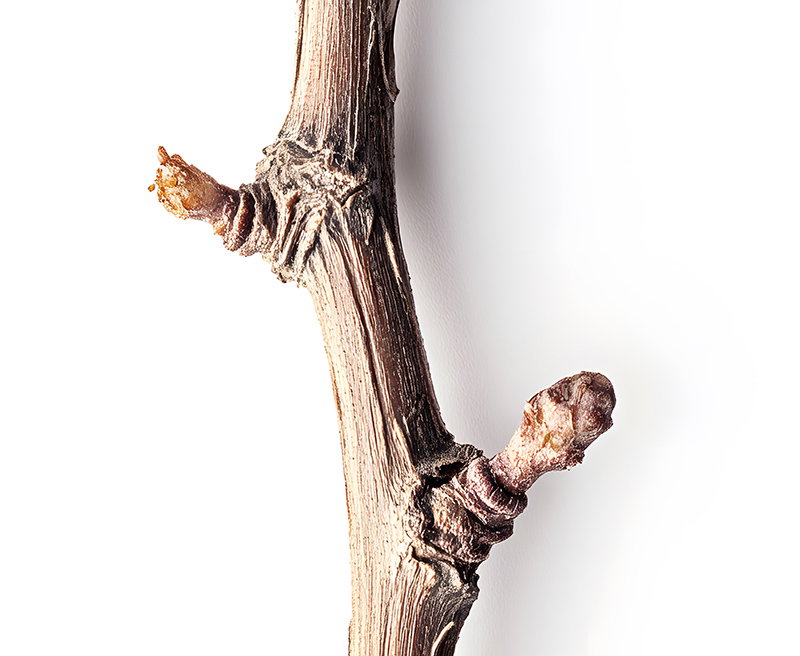
Bud Swell
When temperatures rise in spring, roots begin taking up water and sending it — along with other signals — to the buds. That causes bud swell, meaning buds become larger as they hydrate. As development continues, green or pink tissue becomes visible in healthy buds, which move from bud swell to bud break.
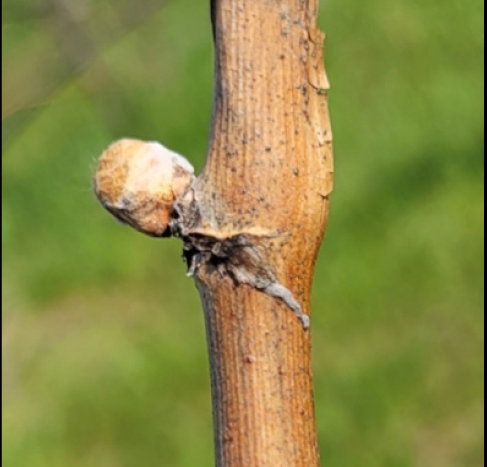
Bud Break
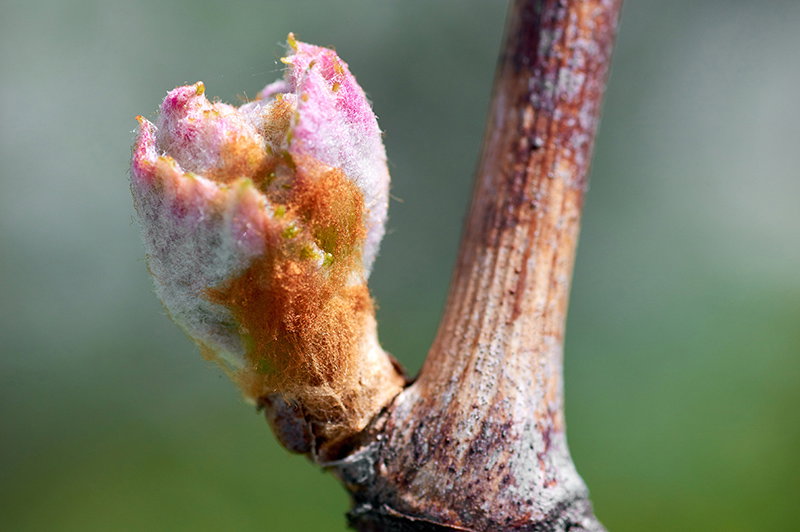
Bud break is when things get more visually interesting, as pink and green colorations — unique to each variety — are more noticeable. “From bud break to harvest, everything is happening back-to-back,” Nasrollahiazar says. “It’s very fast, based on heat — how much they get from the sun or radiation from the soil.”
Prebloom/Bloom
Shoots grow in stages now. At 4 to 8 inches, the grower thins the shoots — “Not overcropping, not undercropping, … just removing the excessive shoots to open up the canopy,” Nasrollahiazar says.
At 10 to 16 inches, flower clusters are clearly visible. “After 10 to 16 inches, the lengths of the shoots don’t matter,” Nasrollahiazar says. “Our focus is to see how the clusters are developing.”
An example of just how fast this process can move: On May 31, 2025, shoots were around 3 inches in the Grand Traverse region. By June 5, they were 15 inches.
Finally, buds don’t bloom the way you might think. There’s a cap that separates from the leaf, exposing the flower’s reproductive parts.
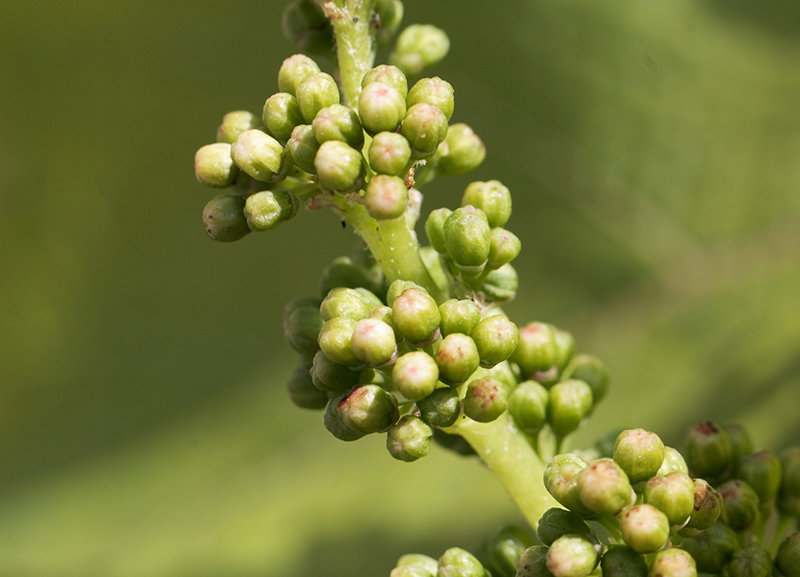
Fruit Set and Growth
Grapes start out very small and firm. They continue to grow and eventually reach bunch closure. That’s when they are touching one another, forming a cluster.
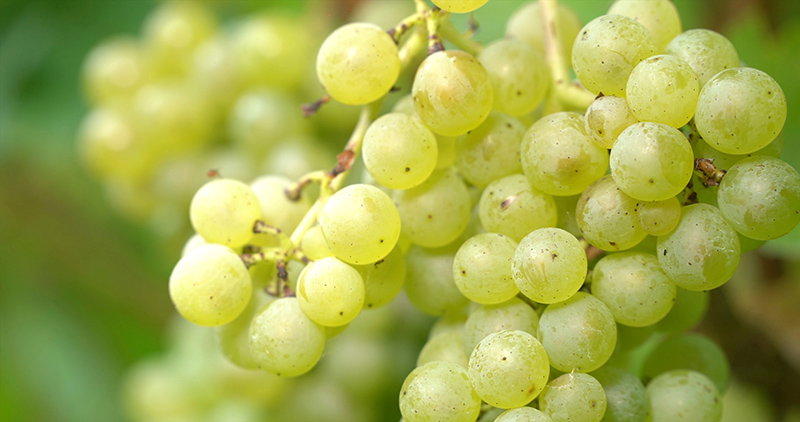
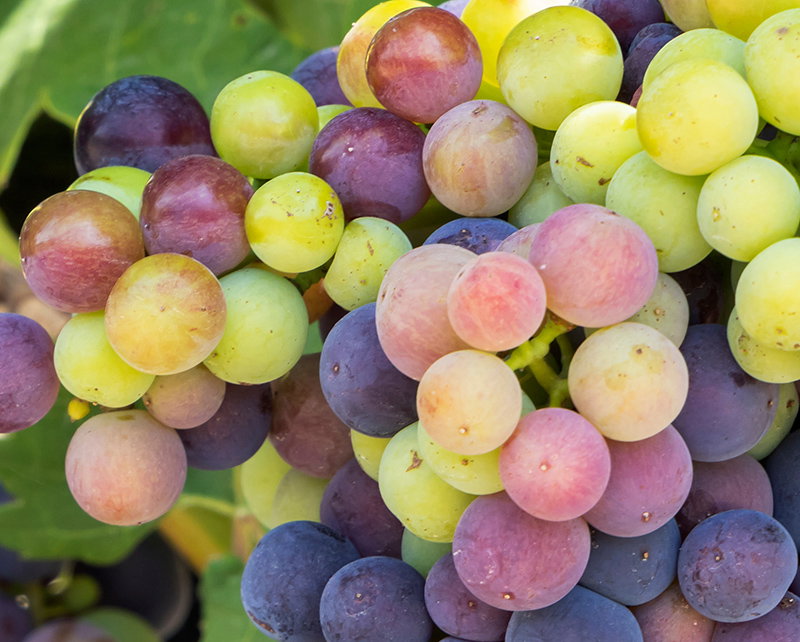
Veraison
Now, it’s time for ripening. The grapes begin to soften and change color as sugar accumulation accelerates.
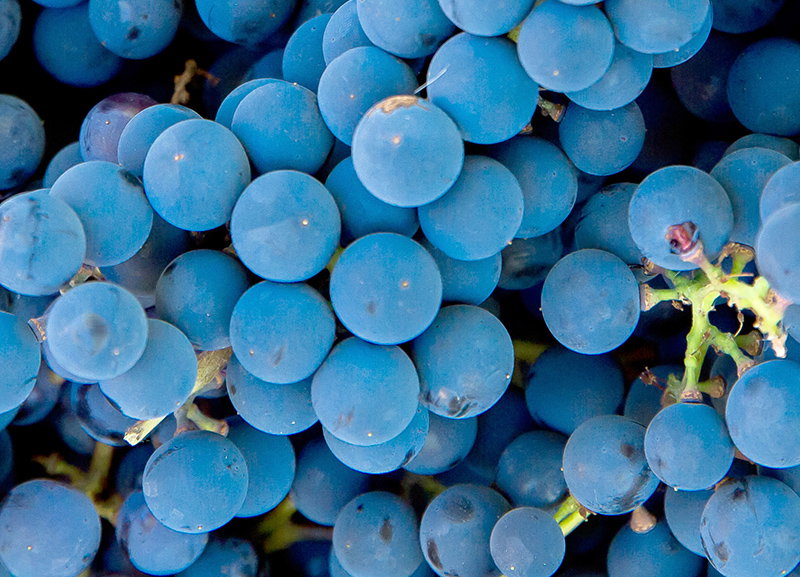
Ready for Harvest
Growers choose when to pick the grapes based on the variety and the type of wine to be made. “The winemaker does a fruit analysis [for] the quality in terms of sugar, acid, tannins,” Nasrollahiazar says. Sugar content should be high, and the grapes will be soft.
How long is the grape-growing process?
As for how long the whole process takes, Nasrollahiazar says it varies based on heat accumulation. In general, it can take from roughly April to September or October for plants to go from bud swell to harvest, depending on the grapes and the region within Michigan.









Facebook Comments